Florida Braces For Saharan Dust: What You Need To Know About Respiratory Health

Welcome to your ultimate source for breaking news, trending updates, and in-depth stories from around the world. Whether it's politics, technology, entertainment, sports, or lifestyle, we bring you real-time updates that keep you informed and ahead of the curve.
Our team works tirelessly to ensure you never miss a moment. From the latest developments in global events to the most talked-about topics on social media, our news platform is designed to deliver accurate and timely information, all in one place.
Stay in the know and join thousands of readers who trust us for reliable, up-to-date content. Explore our expertly curated articles and dive deeper into the stories that matter to you. Visit Best Website now and be part of the conversation. Don't miss out on the headlines that shape our world!
Table of Contents
Florida Braces for Saharan Dust: What You Need to Know About Respiratory Health
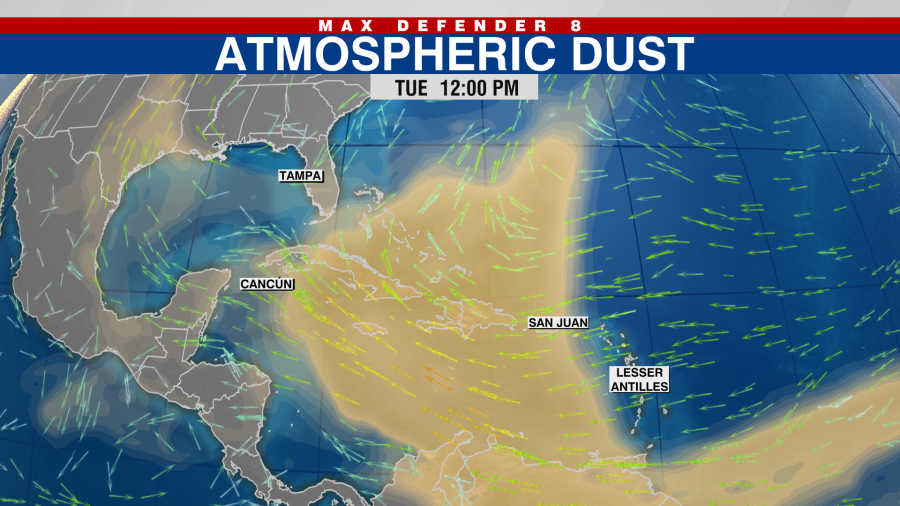
Florida residents are bracing for another influx of Saharan dust, a seasonal phenomenon that can significantly impact air quality and respiratory health. This year's plume is expected to be particularly intense, prompting health officials to issue warnings and offer advice on protecting vulnerable populations. Understanding the potential health risks associated with Saharan dust is crucial for minimizing negative impacts.
What is Saharan Dust and Why Does it Affect Florida?
Saharan dust, originating from the vast deserts of North Africa, is transported across the Atlantic Ocean by strong winds. These dust plumes can travel thousands of miles, reaching Florida and other parts of the Caribbean and the southeastern United States. The dust consists of fine sand and clay particles, along with various minerals, pollutants, and even microbes. While not inherently toxic, the fine particles can pose serious health risks, especially for those with pre-existing respiratory conditions.
Respiratory Health Impacts of Saharan Dust:
The primary concern associated with Saharan dust is its impact on respiratory health. The fine particles can easily penetrate deep into the lungs, causing or exacerbating a range of problems, including:
- Asthma attacks: Increased dust levels can trigger asthma attacks, particularly in individuals with sensitive airways.
- Coughing and shortness of breath: Dust inhalation can lead to irritation of the airways, resulting in persistent coughing and difficulty breathing.
- Exacerbation of COPD and other lung diseases: People with chronic obstructive pulmonary disease (COPD), bronchitis, or emphysema may experience significant worsening of their symptoms.
- Eye irritation: The dust can also irritate the eyes, causing redness, itching, and burning.
- Increased allergy symptoms: Saharan dust can worsen allergy symptoms for those susceptible to pollen or other airborne allergens.
Protecting Yourself During Saharan Dust Events:
While we can't stop the dust from arriving, we can take steps to minimize our exposure and protect our respiratory health:
- Monitor air quality reports: Regularly check your local air quality index (AQI) to assess current conditions. The EPA provides valuable resources and information on AQI levels. ([Link to EPA AirNow website])
- Limit outdoor activities: When AQI levels are high, reduce time spent outdoors, especially during peak dust concentration periods.
- Wear a mask: Consider wearing an N95 respirator mask when venturing outdoors, particularly if you have respiratory issues. These masks effectively filter out fine particulate matter.
- Keep windows and doors closed: Minimize the entry of dust into your home by sealing windows and doors. Using air purifiers with HEPA filters can also significantly improve indoor air quality.
- Hydrate: Drinking plenty of fluids helps to clear your airways and prevents dehydration.
- Consult your doctor: If you experience worsening respiratory symptoms during a dust event, consult your doctor immediately.
Who is Most at Risk?
Individuals with pre-existing respiratory conditions, such as asthma, COPD, and emphysema, are particularly vulnerable to the health impacts of Saharan dust. Children, the elderly, and people with weakened immune systems are also at increased risk.
Staying Informed is Key:
Staying informed about Saharan dust events is crucial for protecting your health. Follow weather reports and advisories from local health authorities for updates and recommendations. By taking proactive steps and understanding the potential risks, Floridians can navigate this seasonal phenomenon and protect their respiratory well-being. Remember, your health is your most valuable asset. Take care!
Thank you for visiting our website, your trusted source for the latest updates and in-depth coverage on Florida Braces For Saharan Dust: What You Need To Know About Respiratory Health. We're committed to keeping you informed with timely and accurate information to meet your curiosity and needs.
If you have any questions, suggestions, or feedback, we'd love to hear from you. Your insights are valuable to us and help us improve to serve you better. Feel free to reach out through our contact page.
Don't forget to bookmark our website and check back regularly for the latest headlines and trending topics. See you next time, and thank you for being part of our growing community!
Featured Posts
-
 Safety First Lance Mc Cullers Jr On Hiring Security For Family
May 31, 2025
Safety First Lance Mc Cullers Jr On Hiring Security For Family
May 31, 2025 -
 Mlb Power Rankings Week 9 Top Teams Battle For The 1 Spot
May 31, 2025
Mlb Power Rankings Week 9 Top Teams Battle For The 1 Spot
May 31, 2025 -
 Covid 19s Lingering Effect Sean Miller Discusses Texas Basketballs Veteran Depth
May 31, 2025
Covid 19s Lingering Effect Sean Miller Discusses Texas Basketballs Veteran Depth
May 31, 2025 -
 Sloane Stephens On Arm Pain The Brutal Reality Of Upper Body Burnout
May 31, 2025
Sloane Stephens On Arm Pain The Brutal Reality Of Upper Body Burnout
May 31, 2025 -
 Nba Eastern Conference Finals Can The Pacers Eliminate The Knicks In Game 6
May 31, 2025
Nba Eastern Conference Finals Can The Pacers Eliminate The Knicks In Game 6
May 31, 2025

